Call to book an appointment or ask us any questions from 9 AM to 11 PM

Call to book an appointment or ask us any questions from 9 AM to 11 PM
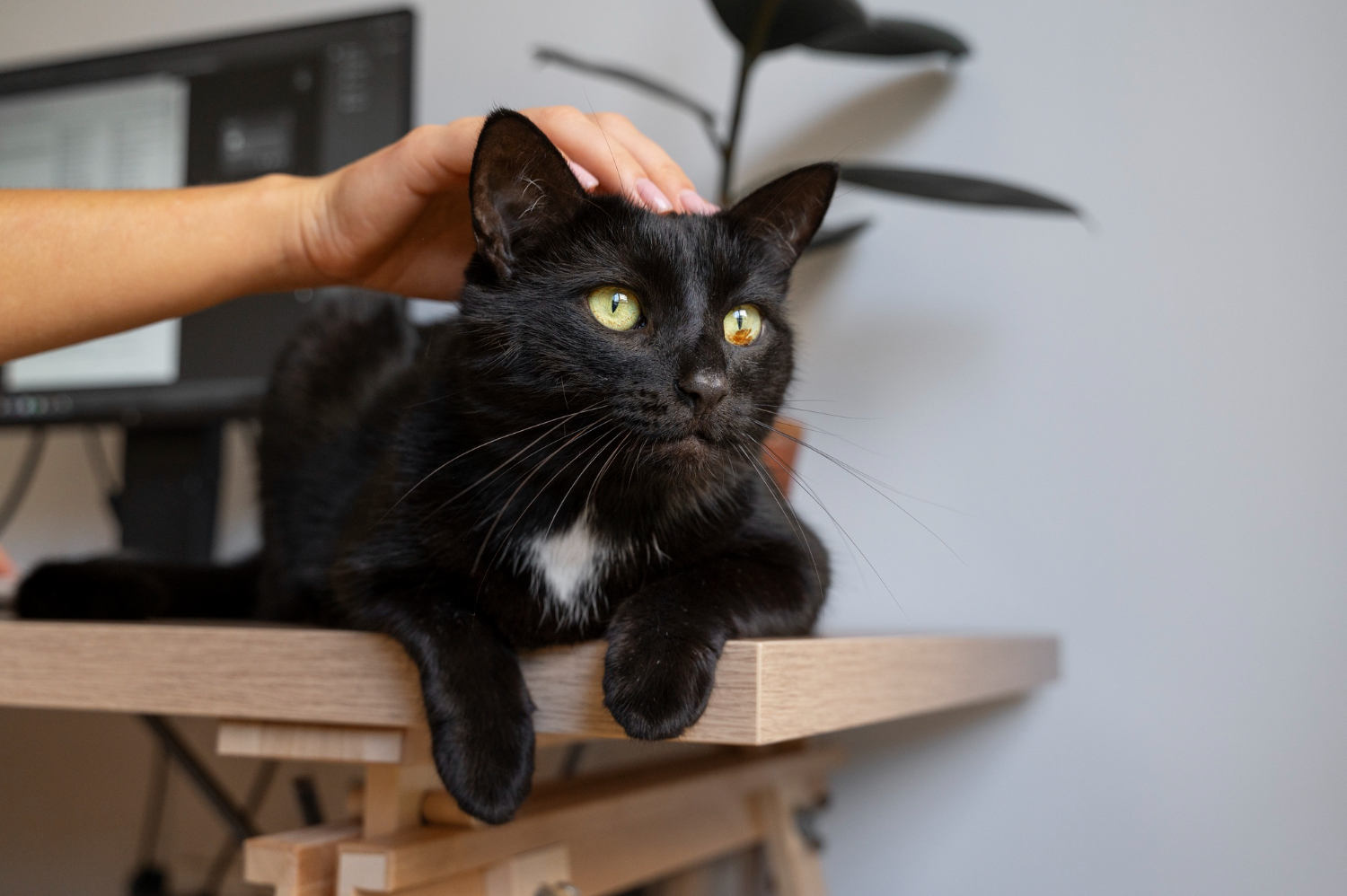
If your cat ate a houseplant, the level of concern depends on the type of plant. Many common household plants are toxic to cats and can cause anything from mild irritation to serious health issues.
Because it’s not always easy to identify plants right away, it’s important to take exposure seriously.
If your cat has chewed or eaten a plant, take these steps:
Call our veterinary team now: (858) 379-6550
You can also contact ASPCA Animal Poison Control: 888-426-4435
Same-day urgent care appointments are available.
Some houseplants are harmless, but many are toxic to cats. Common toxic plants include:
Toxicity depends on the plant type and amount ingested.
Symptoms can vary depending on the plant but may include:
Some plants can cause more severe effects such as organ damage.
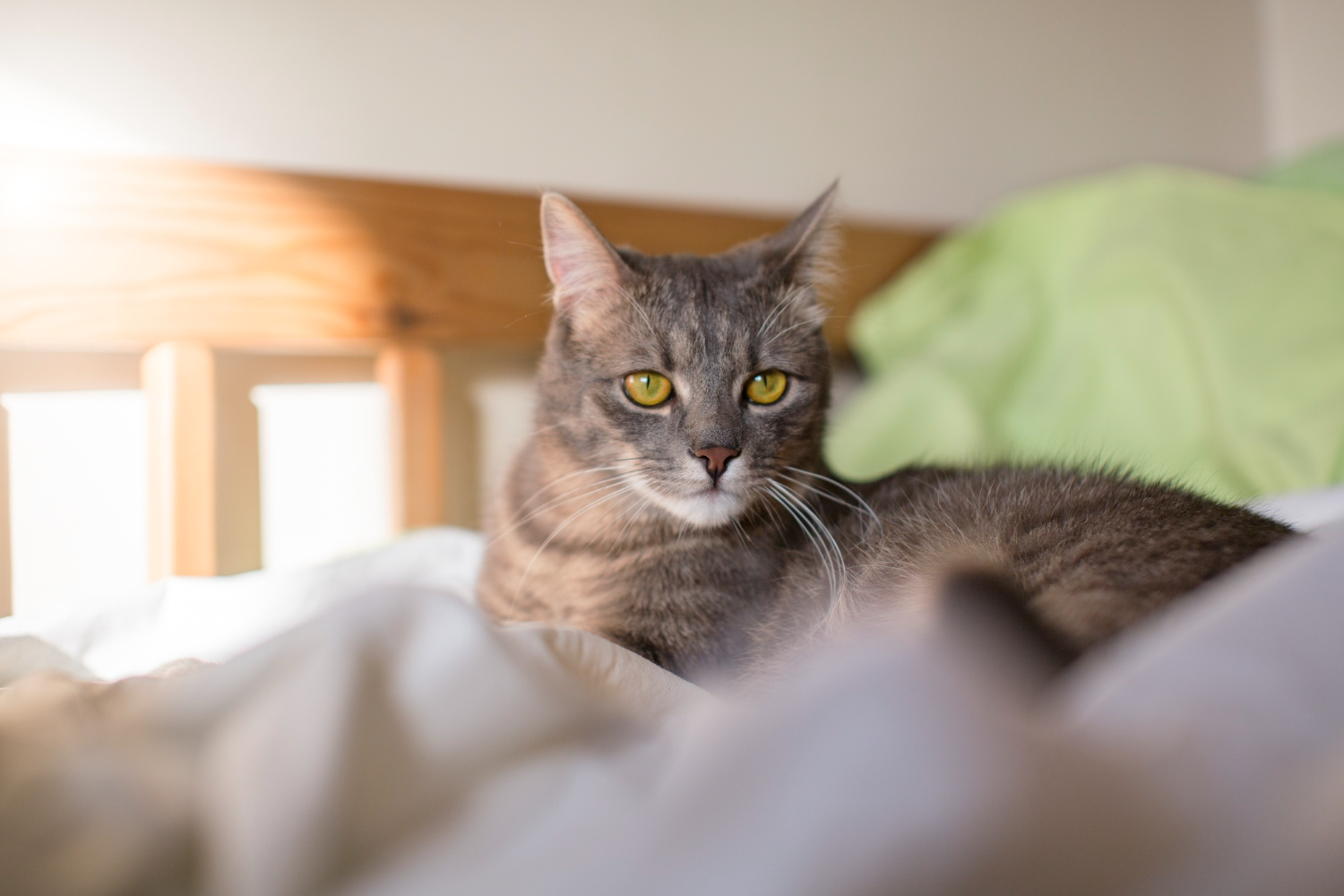
You should contact a veterinarian if:
If your cat has trouble breathing, severe swelling, or extreme lethargy, seek care immediately.
At Urgent Care Pet Clinic, treatment depends on the type of plant and your cat’s symptoms.
Treatment may include:
Early evaluation helps reduce the risk of severe toxicity.
Plant exposure can range from mild to serious depending on the situation. If your cat has eaten a houseplant and you’re unsure what to do, it’s always best to have them evaluated.
We provide same-day urgent care to help your pet get the care they need quickly.
Urgent Care Pet Clinic is located at 8915 Towne Centre Dr, Suite 110 in San Diego, California, across from UTC mall in Renaissance Towne Centre, and provides same-day urgent care for dogs and cats throughout San Diego and the surrounding communities.
Our team cares for pets in person at our San Diego clinic. If you live outside the San Diego area, please contact your local veterinarian or nearest emergency animal hospital for the fastest help.