What to Expect at an Emergency Vet Near Me in San Diego

What to Expect at an Emergency Vet Near Me in San Diego
When your dog or cat suddenly becomes sick or injured outside of regular business hours, it can be a frightening and stressful experience. In these urgent moments, knowing what to expect from an emergency vet near me in San Diego can make a world of difference for both you and your beloved companion. At Urgent Care Pet Clinic, conveniently located at 8915 Towne Centre Dr, Suite 110, San Diego, CA 92122, our veterinary team is here to provide walk-in, after-hours care for dogs and cats in San Diego and surrounding communities. Whether your regular veterinarian is closed or you need immediate attention for a sudden health issue, our clinic welcomes walk-ins—no appointment needed. In this guide, we’ll walk you through the signs of a pet emergency, what happens at an urgent care visit, available diagnostics and treatments, and how to act quickly when your pet needs help.
Recognizing When to Visit an Emergency Vet Near Me
Pet emergencies rarely happen at convenient times. Understanding the signs that require urgent attention can help you make swift decisions to protect your dog or cat’s health. Some of the most common reasons pet owners seek an emergency vet near me include visible injuries, sudden or severe vomiting and diarrhea, trouble breathing, collapse, difficulty urinating, and unresponsiveness. Other signs that your pet may need urgent care are persistent coughing, seizures, inability to walk, pale gums, or severe pain such as continuous whining or panting. If your dog or cat has ingested something toxic, experienced trauma like a fall or car accident, or is bleeding and you can’t stop it at home, it’s best to seek veterinary care immediately.
Cats, in particular, can hide symptoms until they are very sick. For example, straining in the litter box without producing urine may indicate a life-threatening urinary blockage. Dogs might become suddenly lethargic, have a bloated abdomen, or show signs of heatstroke during hot San Diego days. When in doubt, err on the side of caution and bring your pet in for prompt evaluation—our team is trained to quickly assess and stabilize urgent cases.
Why Pet Emergencies Happen: Common Causes and Risk Factors
Emergencies can strike pets of any age and breed, often without warning. Some emergencies develop due to underlying health conditions, while others result from accidents or exposure to hazards in the environment. For dogs, causes of emergencies may include eating foreign objects or toxins, trauma from being hit by a car, overheating during exercise, or sudden illnesses like pancreatitis. In cats, emergencies frequently involve urinary blockages, falls from heights, ingestion of lilies or other toxic plants, and bite wounds from other animals.
San Diego’s climate and urban landscape bring unique risks as well. Hot weather can lead to heatstroke, especially in brachycephalic (short-nosed) breeds like Bulldogs and Persians. Coastal areas may see more foxtail grass, which can become embedded in pets’ skin, ears, or noses, causing pain and infection. Additionally, pets may encounter rattlesnakes while hiking with their families. Understanding these local hazards helps you stay vigilant, but accidents can happen even in the most pet-safe homes.
What Happens During an Emergency Vet Visit in San Diego
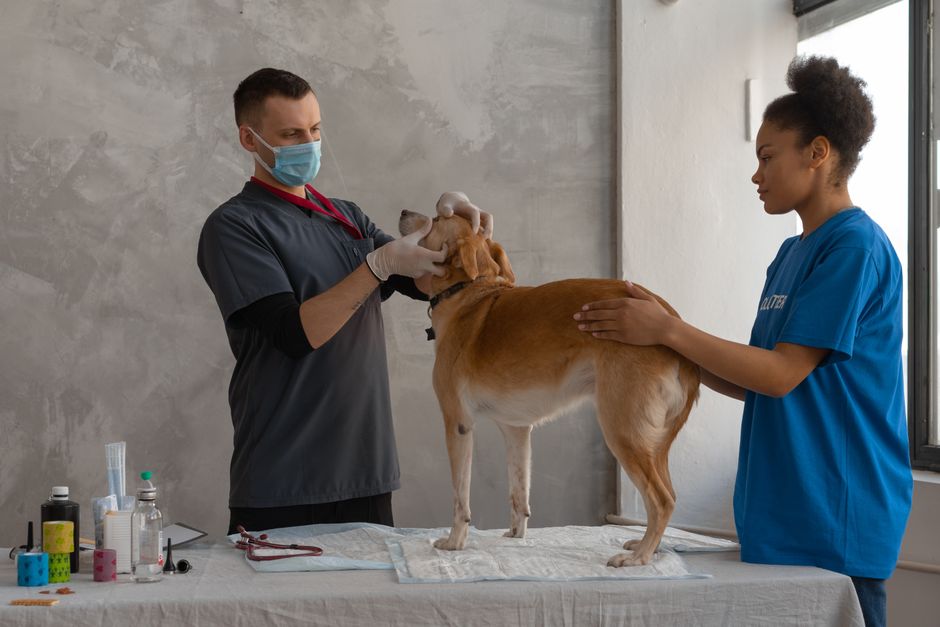
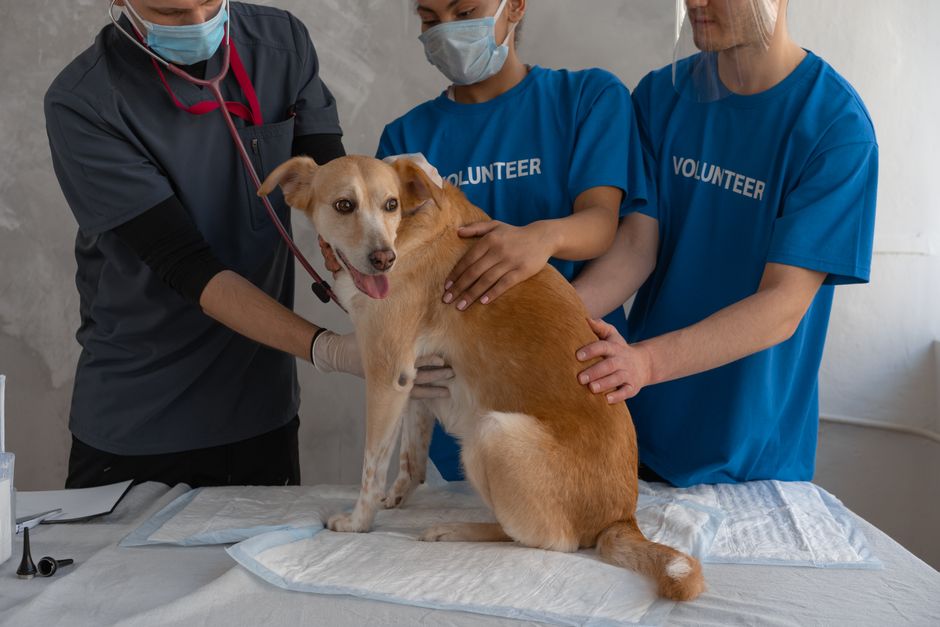
Visiting an emergency vet near me can feel overwhelming, especially if it’s your first time. At Urgent Care Pet Clinic, our process is designed to prioritize your pet’s safety and comfort from the moment you arrive. Since no appointment is needed, you can walk in any evening between 5:00 PM and 11:00 PM, and our team will triage your pet promptly. Triage means we quickly assess your pet’s vital signs and symptoms to determine how urgent their condition is compared to other patients.
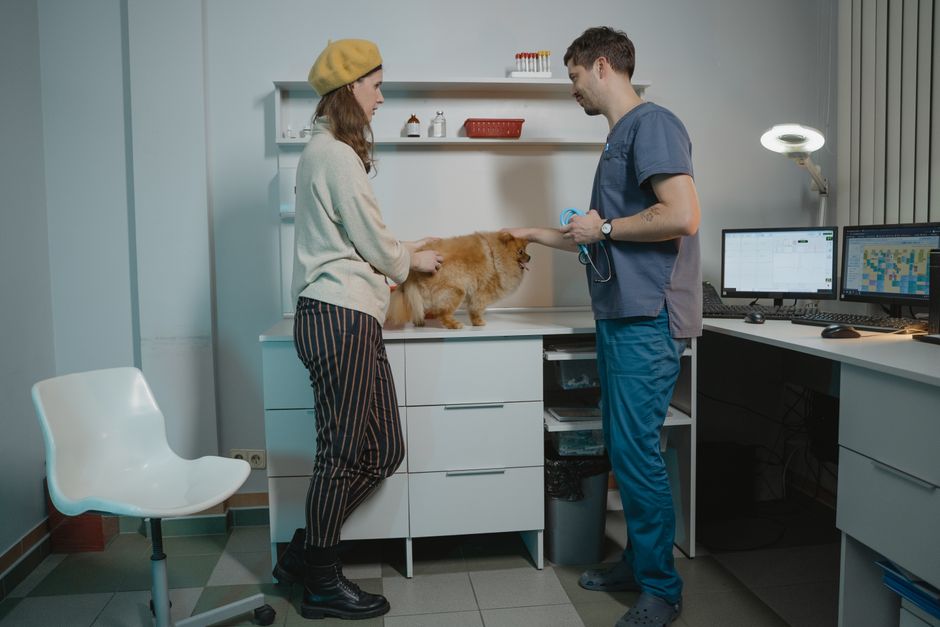
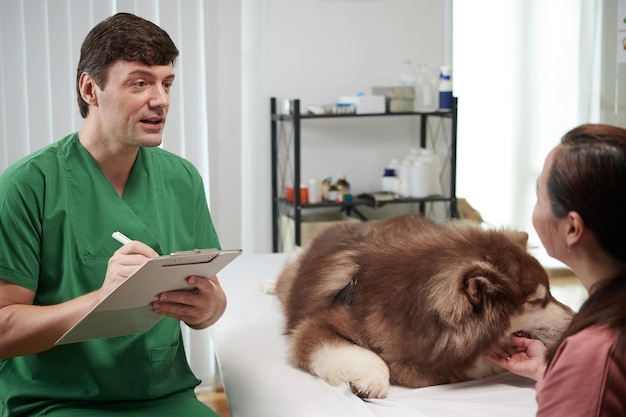
After initial triage, a veterinarian will examine your dog or cat, discuss symptoms and recent history with you, and recommend appropriate diagnostic tests. Our clinic offers in-house diagnostics such as bloodwork, digital X-rays, and ultrasound to help us diagnose problems quickly. For example, we may use bloodwork to check for organ dysfunction or infection, while X-rays or ultrasound can reveal internal injuries or obstructions. In cases of wounds, our veterinary professionals can provide immediate laceration repair and pain relief.
If your pet requires urgent surgery—like removing a foreign object, treating a urinary blockage, or repairing an abscess—our team is equipped to provide stabilization, anesthesia, and surgical intervention on-site. Throughout your visit, we will keep you updated on your pet’s status, explain next steps, and answer your questions with empathy and clarity.
In-House Diagnostics and Rapid Results
One of the advantages of visiting an urgent care clinic like ours is access to advanced diagnostics without delay. Our in-house lab allows us to process blood panels, urinalysis, and cytology while you wait, so we can make treatment decisions quickly. Digital radiology provides clear images of bones and internal organs, helping to diagnose fractures, fluid buildup, or abdominal emergencies. Ultrasound is particularly useful for assessing soft tissue injuries, checking for internal bleeding, or investigating causes of sudden collapse. These tools help us provide accurate answers and timely care, minimizing the stress on both you and your pet.
Treatment Approaches and What to Expect
Once our veterinary team has diagnosed your pet, we will discuss a treatment plan tailored to your dog or cat’s specific needs. Treatment approaches may include intravenous fluids to address dehydration or shock, pain relief medication, antibiotics for infection, wound cleaning and suturing, or oxygen therapy for breathing difficulties. For pets with life-threatening conditions, such as bloat or severe trauma, we may recommend emergency surgery or hospitalization for close monitoring.
Some conditions, like urinary blockages in male cats, require immediate intervention to relieve obstruction and prevent kidney failure. Our clinic provides specialized care for these cases, including catheterization and supportive therapy. For wounds, we offer thorough cleaning, suturing, and bandaging, as well as appropriate antibiotics and pain control to support healing. If your pet has ingested a toxin, treatment may involve inducing vomiting (if safe), administering activated charcoal, or providing specific antidotes when available.
In all cases, our focus is on stabilizing your pet, relieving pain, and starting recovery as quickly as possible. We will communicate openly with you about your pet’s prognosis, expected recovery time, and any at-home care instructions.
Prevention and Home Care: Reducing the Risk of Pet Emergencies
While not all emergencies are preventable, there are important steps you can take at home to reduce your pet’s risk. For dogs and cats, prevention starts with regular veterinary checkups, keeping vaccines up to date, and maintaining a safe environment. At home, keep toxic foods, plants, and chemicals out of reach, and supervise pets around open windows, balconies, and pools. When outdoors, use a leash for dogs and ensure fences are secure to prevent escapes and accidents. During warm San Diego months, limit exercise during the hottest parts of the day, provide fresh water, and never leave pets in parked cars.
For cats, monitor litter box habits closely; straining or vocalizing in the box can be an early sign of urinary blockage or infection. For both dogs and cats, watch for changes in appetite, energy level, breathing, or behavior, and seek guidance from your veterinarian if something seems off. In case of foxtail exposure or wounds from other animals, prompt cleaning and observation can help catch infection before it becomes severe.
If your pet has a chronic health condition, make sure you understand symptoms that require immediate attention and keep an emergency vet’s contact information handy. Taking these proactive steps supports your pet’s wellbeing and gives you peace of mind.
When to Seek Immediate Veterinary Care
Knowing when to act quickly is crucial in a pet emergency. You should visit an emergency vet near me if your dog or cat is struggling to breathe, collapses, is bleeding heavily, cannot walk, has a bloated abdomen, is having seizures, or is unable to urinate. Additionally, if your pet has eaten something poisonous, suffered trauma, or is in severe pain, do not wait for your regular veterinarian’s office to open. Time is often critical in emergencies, and early intervention can save your pet’s life.
At Urgent Care Pet Clinic, we are here to help when your regular vet is closed, offering immediate care for sudden illnesses and injuries. Our walk-in policy means you never need an appointment during our extended evening hours, making it easier to get help when you need it most. If you’re unsure whether your situation is an emergency, call us at (858) 379-6550 for advice—our veterinary professionals will guide you on the best next steps.
Your Local Emergency Vet Resource in San Diego
Facing a pet emergency is never easy, but understanding what to expect at an emergency vet near me in San Diego can help you feel more prepared and confident. At Urgent Care Pet Clinic, our compassionate veterinary team is ready to provide prompt, expert care for your dog or cat—no appointment needed and walk-ins are always welcome during our evening hours. From in-house diagnostics and radiology to urgent surgical care and stabilization, we are committed to supporting your pet’s health when you need us most.
If your pet is experiencing a sudden health crisis, don’t wait—visit us at 8915 Towne Centre Dr, Suite 110, San Diego, CA 92122 or call (858) 379-6550 for immediate guidance. When searching for an emergency vet near me, trust our team to provide the urgent care your dog or cat deserves—right here in San Diego and the surrounding communities.
Medical Disclaimer: This blog provides general information and is not a substitute for professional veterinary advice. If you believe your pet is experiencing a medical emergency, seek veterinary care immediately.