Pancreatitis in Pets: Signs After a “Rich Meal” — What to Do Right Now
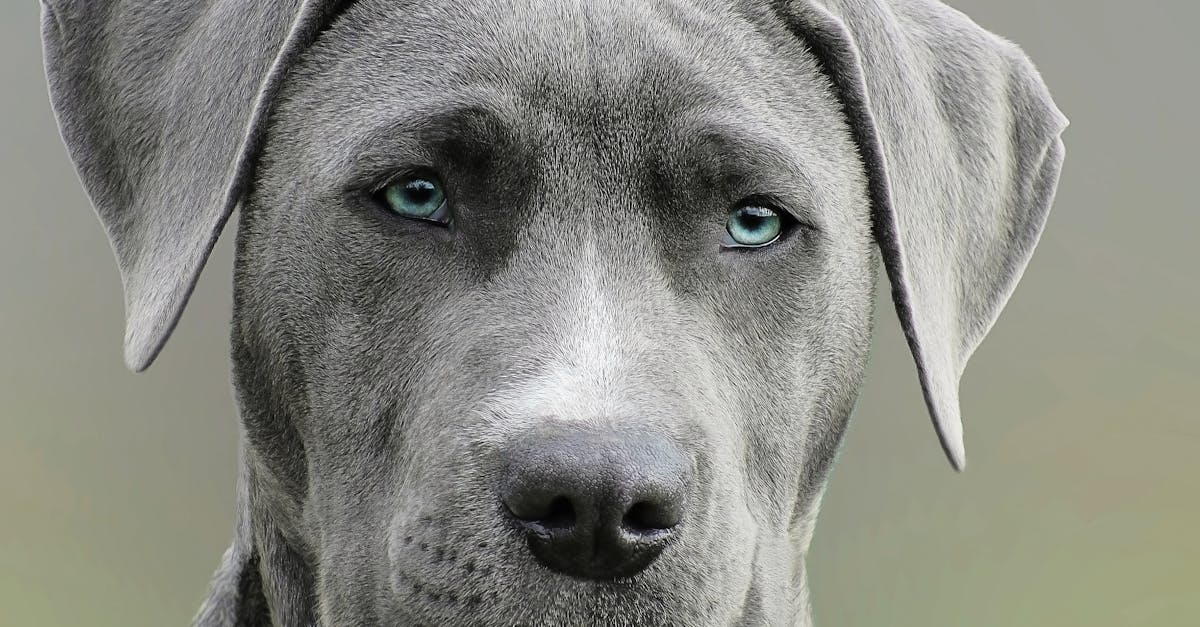
Greasy table scraps, trash-raiding, or a sudden diet change can inflame the pancreas and trigger pancreatitis. It’s painful, can escalate quickly, and is a common after-hours emergency. Here’s how to spot it, what to do, and how we help.
How Pancreatitis Looks
Watch for one or more of these signs—especially after fatty foods or a dietary slip:
- Repeated vomiting or dry heaving
- Hunched posture or “prayer pose,” belly pain, restlessness
- Not eating, lethargy, dehydration
- Diarrhea (sometimes with blood or mucus)
- Fever, trembling, or weakness
High-risk pets: seniors, overweight pets, those with diabetes or Cushing’s, mini breeds prone to GI issues, and pets with a history of pancreatitis.
When It’s Urgent (Same-Day Exam)
- Vomiting more than once, or can’t keep water down
- Obvious abdominal pain or persistent hunched posture
- Bloody vomit or stool, pale gums, collapse, or severe lethargy
- Puppy/kitten, senior, or any pet with chronic disease (diabetes, Addison’s, kidney/liver)
What You Can Do Before You Leave
- Remove food; offer small sips of water every 15–30 minutes.
- Do not give human meds (Pepto-Bismol, ibuprofen, Tylenol, etc.).
- Note what/when your pet ate; bring packaging if there was a known treat or trash incident.
- If possible, bring a fresh stool/vomit sample or a quick photo.
- Keep your pet calm and warm for transport.
How We Diagnose & Treat at Urgent Care Pet Clinic
Our goal is fast relief and clear answers:
- Triage & exam to assess dehydration, pain, and stability
- On-site diagnostics: bloodwork (including pancreas-specific tests), electrolytes, X-rays to rule out foreign objects, and ultrasound access when indicated
- Therapy: anti-nausea meds, pain control, GI protectants, IV or SQ fluids, and a tailored nutrition plan
- Care plan & follow-up: home-care instructions, diet guidance, and coordination with your primary vet
Prevention Tips
- Skip fatty table scraps and sudden diet changes.
- Secure trash; supervise around holiday foods.
- Maintain a healthy weight and regular exercise.
- Ask about a safe, gradual diet transition if you’re changing foods.
Quick FAQ
Can cats get pancreatitis? Yes—often with vague signs like appetite loss, lethargy, or crouching.
Do antibiotics fix it? Only if there’s evidence of infection; many cases are managed with fluids, pain control, anti-nausea meds, and diet.
How long is recovery? Mild cases may improve in 24–72 hours; severe cases can take longer and may need hospitalization.
Can it come back? Yes—strict diet and weight control reduce risk.