Limping in Dogs: Strain, Sprain, or Something Serious?

Dogs limp for all kinds of reasons—minor strains, a torn nail, a paw injury, arthritis flare-ups, or more serious orthopedic issues. Sometimes it’s safe to monitor at home. Other times, waiting can mean more pain, worsening injury, or hidden infection. This guide will help you decide when limping needs after-hours urgent care.
Can this wait?
You may be able to monitor at home briefly if the limp is mild and improving, your dog is still willing to walk and seems comfortable, there is no swelling, heat, or obvious wound, and your dog is eating, drinking, and acting normal. In these cases, restrict activity for 24–48 hours: leash-only potty breaks, no running or jumping, avoid stairs, and keep playtime quiet. Check the paw pads and nails for small cuts, thorns, or a cracked nail.
Come in tonight if you notice any of these
Same-evening evaluation is recommended if your dog will not bear weight at all, the limp came on suddenly with significant pain, your dog is crying, shaking, or unable to settle, you see swelling, heat, or an obvious deformity, there is bleeding that won’t stop, a nail is torn deeply, you suspect a bite wound or puncture (infection risk), your dog may have been hit, fallen, or had another trauma, the paw is very tender or your dog keeps licking obsessively, or your dog is a puppy, senior, or has underlying conditions where pain control and mobility are more urgent.
Common causes we see
Limping can be caused by paw pad cuts, foxtails or debris between toes, broken or torn nails, sprains and strains, arthritis flare-ups, ligament injuries like ACL/CCL tears, fractures, joint dislocations, and bite wounds that look small on the surface but cause deep infection. Even a “small” puncture can become painful and infected quickly.
What not to do at home
Do not give human pain medications such as ibuprofen, naproxen, or acetaminophen—these can be dangerous for dogs. Avoid wrapping a leg tightly at home, and don’t force your dog to walk it off. If your dog is painful, limit movement and let a veterinary team evaluate.
What we can do at Urgent Care Pet Clinic
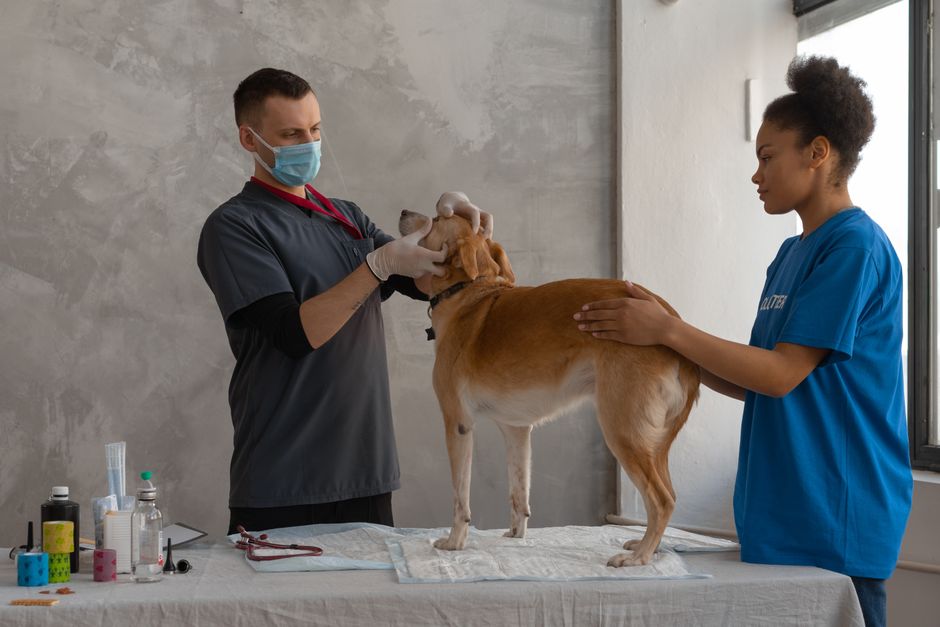
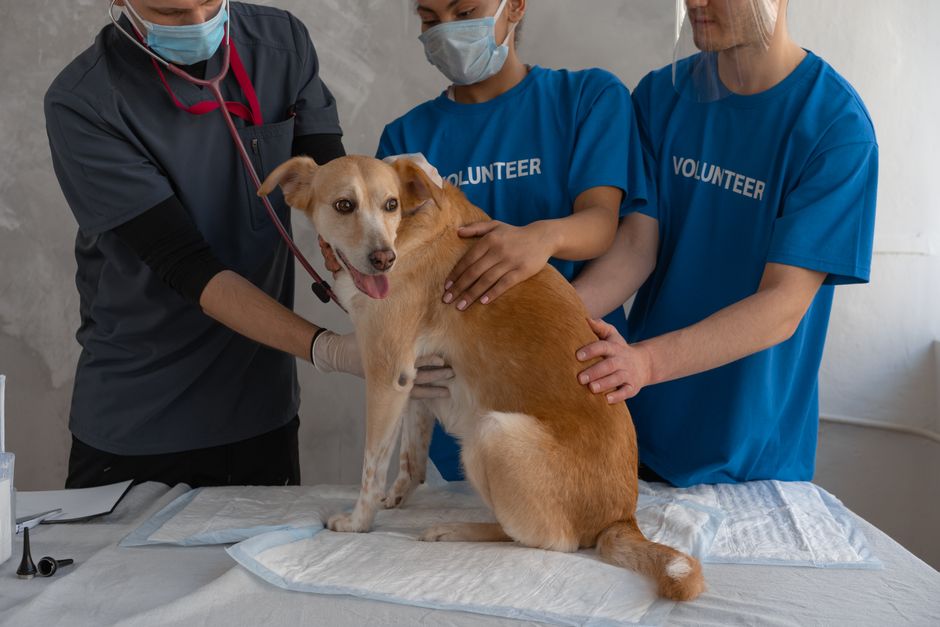
During an after-hours visit, we can localize where the pain is coming from (paw vs joint vs muscle), check for wounds, swelling, and infection, and recommend imaging such as X-rays when needed. We can provide pain control, anti-inflammatory treatment if appropriate, wound cleaning for cuts and punctures, and clear home-care instructions so you know exactly what to do overnight and when follow-up is needed.
Bottom line
A mild limp that improves with rest may be monitored briefly, but sudden severe limping, inability to bear weight, swelling, punctures, or significant pain should be seen the same evening. If you’re unsure, it’s better to get your dog checked and keep them comfortable.