How To Help Your Dog Or Cat Beat The Summer Heat Safely
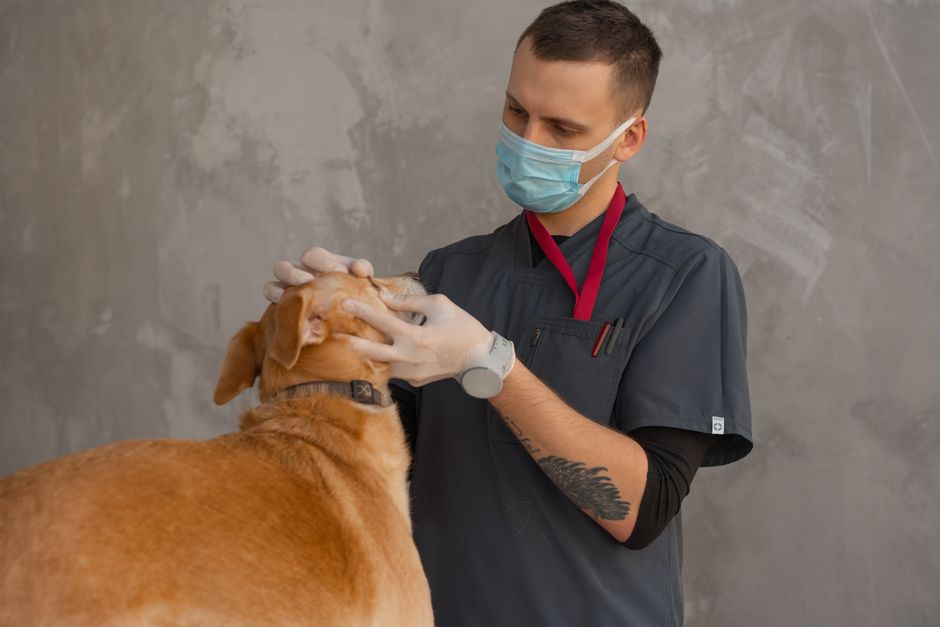
How To Help Your Dog Or Cat Beat The Summer Heat Safely
As August temperatures soar in San Diego, pet owners often worry about keeping their dogs and cats safe from the dangers of the summer heat. While many people know to avoid leaving pets in hot cars, heat exhaustion and heatstroke can happen quickly even during a walk around the neighborhood or an afternoon in the backyard. At Urgent Care Pet Clinic, we understand how stressful it is when your pet shows signs of overheating, especially during evenings and weekends when your regular veterinarian may be closed. Our clinic at 8915 Towne Centre Dr, Suite 110, San Diego, CA 92122 is here to provide immediate care for dogs and cats experiencing heat-related emergencies. Walk-ins are always welcome; no appointment is needed during our extended hours. In this guide, we will cover how to recognize heat exhaustion in your pet, what causes it, how our veterinary team treats heat stress, what you can do at home, and when it’s time to seek urgent care. By understanding these steps, you can help your dog or cat stay safe and comfortable during the hottest months of the year.
Recognizing Heat Exhaustion in Dogs and Cats
Understanding the early warning signs of heat-related problems in pets can make a life-saving difference. Heat exhaustion, or heat stress, occurs when a dog or cat’s body temperature rises above normal and they are unable to cool down effectively. Symptoms often start subtly but can progress rapidly to a life-threatening emergency.
Key signs of heat exhaustion in dogs include excessive panting, drooling, bright red gums, weakness, confusion, vomiting, diarrhea, and collapse. Cats may show signs such as rapid breathing with their mouth open, lethargy, drooling, vomiting, or restlessness. Unlike dogs, cats rarely pant, so any open-mouth breathing in a cat should be taken seriously. Other signs to watch for are increased heart rate, glazed eyes, and unsteadiness on their feet. If you notice these symptoms, especially after exposure to heat or direct sunlight, your pet may be in danger of heatstroke, which can cause irreversible organ damage or even be fatal if not treated immediately.
Pets with certain risk factors are especially vulnerable. Flat-faced breeds like Bulldogs, Pugs, Persians, and Himalayans, as well as older animals, puppies and kittens, overweight pets, and those with underlying health conditions, are at higher risk for heat exhaustion. Recognizing these symptoms early gives you the best chance to intervene before the situation becomes critical.
Why Dogs and Cats Overheat: Understanding the Causes
Heat exhaustion in pets happens when their natural cooling mechanisms are overwhelmed by environmental temperatures. Dogs and cats do not sweat through their skin like people do. Instead, they rely on panting and limited sweat glands in their paw pads and noses to release heat. When the outside temperature is high or humidity rises, these cooling methods become less effective, and body temperature can rise dangerously fast.
Common situations leading to overheating include being left in a car—even for a few minutes—outdoor activities during the hottest parts of the day, limited access to shade or water, overexertion during play or exercise, and confinement in poorly ventilated areas. In San Diego, heat waves and sunny afternoons can turn a quick walk or a backyard nap into a risk for your pet. Urban environments can amplify the danger, as pavement and artificial surfaces retain heat, increasing the risk of burned paw pads and faster overheating.
Certain breeds, as mentioned earlier, are more prone because of their anatomy. Brachycephalic (short-nosed) breeds have restricted airways, making it harder for them to cool off through panting. Pets with thick or dark-colored coats, as well as those carrying extra weight, are also less efficient at regulating their temperature. Even indoor pets are not immune if air conditioning fails or if they become trapped in a sun-exposed area.
Professional Treatment for Heatstroke: What to Expect at Urgent Care Pet Clinic
If you suspect your dog or cat is suffering from heat exhaustion or heatstroke, urgent veterinary care is essential. At Urgent Care Pet Clinic in San Diego, our veterinary team is prepared to handle heat-related emergencies during evenings and weekends, when many regular clinics are closed. Immediate intervention can save your pet’s life and minimize long-term complications.
When you arrive at our clinic, your pet will be assessed right away by our skilled veterinarians. We use in-house diagnostics and radiology to quickly evaluate your pet’s condition, checking vital signs, body temperature, and organ function. Our team may recommend in-house diagnostics and radiology for pets if heatstroke is suspected, as this allows us to assess for complications such as kidney damage or abnormal blood clotting.
Treatment approaches involve gradually cooling your pet’s body temperature to a safe range using cool (not cold) water, fans, and intravenous fluids. We carefully monitor your pet to avoid dropping their temperature too quickly, which can also be dangerous. Additional treatments may include oxygen therapy, medications to reduce swelling or control seizures, and supportive care for any organ dysfunction. Our facility is equipped for same-day urgent surgery if complications arise, although most heatstroke cases are managed medically.
The goal is to stabilize your pet, prevent shock, and address any damage caused by overheating. With prompt care, many pets recover fully, but severe cases may require hospitalization and ongoing monitoring. Our veterinary professionals will keep you informed every step of the way, providing updates and guidance for aftercare at home.
Steps You Can Take at Home to Prevent Heat Exhaustion
While professional care is vital in emergencies, prevention is always best when it comes to heat-related illness in dogs and cats. There are several practical steps you can take to reduce the risk of heat exhaustion, especially during San Diego’s hottest months.
Always provide access to fresh, cool water and shady areas for your pets, whether they are indoors or outside. Limit exercise to early morning or late evening hours when the temperature is lower. Avoid walking your dog on hot pavement, as this can burn paws and contribute to overheating; check the ground’s temperature with your hand before heading out. Never leave your pet in a parked car, even with the windows cracked, as temperatures can become deadly in just minutes.
Consider using cooling mats, fans, or air conditioning for indoor pets during heat waves. Brush your pet regularly to remove excess undercoat, but avoid shaving breeds with double coats, as this can reduce their natural insulation. For pets that are brachycephalic, overweight, senior, or very young, take extra precautions and keep their activity level low during hot weather.
If your pet spends time outdoors, ensure there is always a safe, shaded spot and watch for signs of fatigue or distress. For cats, keep windows screened and provide cool surfaces to rest on. When traveling or hiking with your pet, pack extra water and take frequent breaks in the shade.
When to Seek Urgent Veterinary Care for Heat-Related Emergencies
Knowing when to seek professional help can make all the difference in your pet’s outcome. If your dog or cat displays symptoms such as excessive panting, difficulty breathing, drooling, vomiting, diarrhea, confusion, or collapse, immediate veterinary attention is critical. Do not wait for symptoms to improve on their own, as heatstroke can progress rapidly and may be fatal without intervention.
Attempt to begin gentle cooling measures at home, such as moving your pet to a shaded or air-conditioned area, offering small amounts of cool water, and applying cool, damp towels to their body. Avoid using ice or very cold water, as this can cause blood vessels to constrict and delay cooling. Transport your pet to Urgent Care Pet Clinic as quickly and safely as possible; call ahead if possible so our team can prepare for your arrival.
Remember, walk-ins are always welcome at our clinic during our extended evening and weekend hours. Our veterinary professionals have extensive experience providing same-day urgent care for dogs and cats, including treatment for heat stress and related emergencies. If your regular veterinarian is unavailable, our team is here to provide immediate support when your pet needs it most.
Keeping Your San Diego Pet Safe: Take Action Now
San Diego’s beautiful summers make it tempting to spend extra time outdoors, but it’s essential to protect your dog or cat from the dangers of heat exhaustion. By recognizing the signs of overheating, understanding why pets are vulnerable, taking simple preventive steps, and knowing when to seek urgent care, you can help ensure your furry companion stays safe and healthy all season long.
If you notice any signs of heat exhaustion in your pet, do not delay. Walk-ins are always welcome at Urgent Care Pet Clinic, and no appointment is ever needed during our evening and weekend hours. Our veterinary team is ready to provide rapid assessment, advanced diagnostics, and lifesaving treatment when every minute counts. For more information about our services or to learn about our in-house diagnostics and radiology for urgent conditions, visit our website or stop by 8915 Towne Centre Dr, Suite 110, San Diego, CA 92122.
When searching for an emergency vet near me, remember that our veterinary professionals are here to help your dog or cat beat the summer heat safely. If you need immediate assistance, call (858) 379-4065 or come directly to our clinic. Your pet’s health and comfort are always our top priorities, especially when emergencies happen.